What is a Digital Experience? (and who needs one)
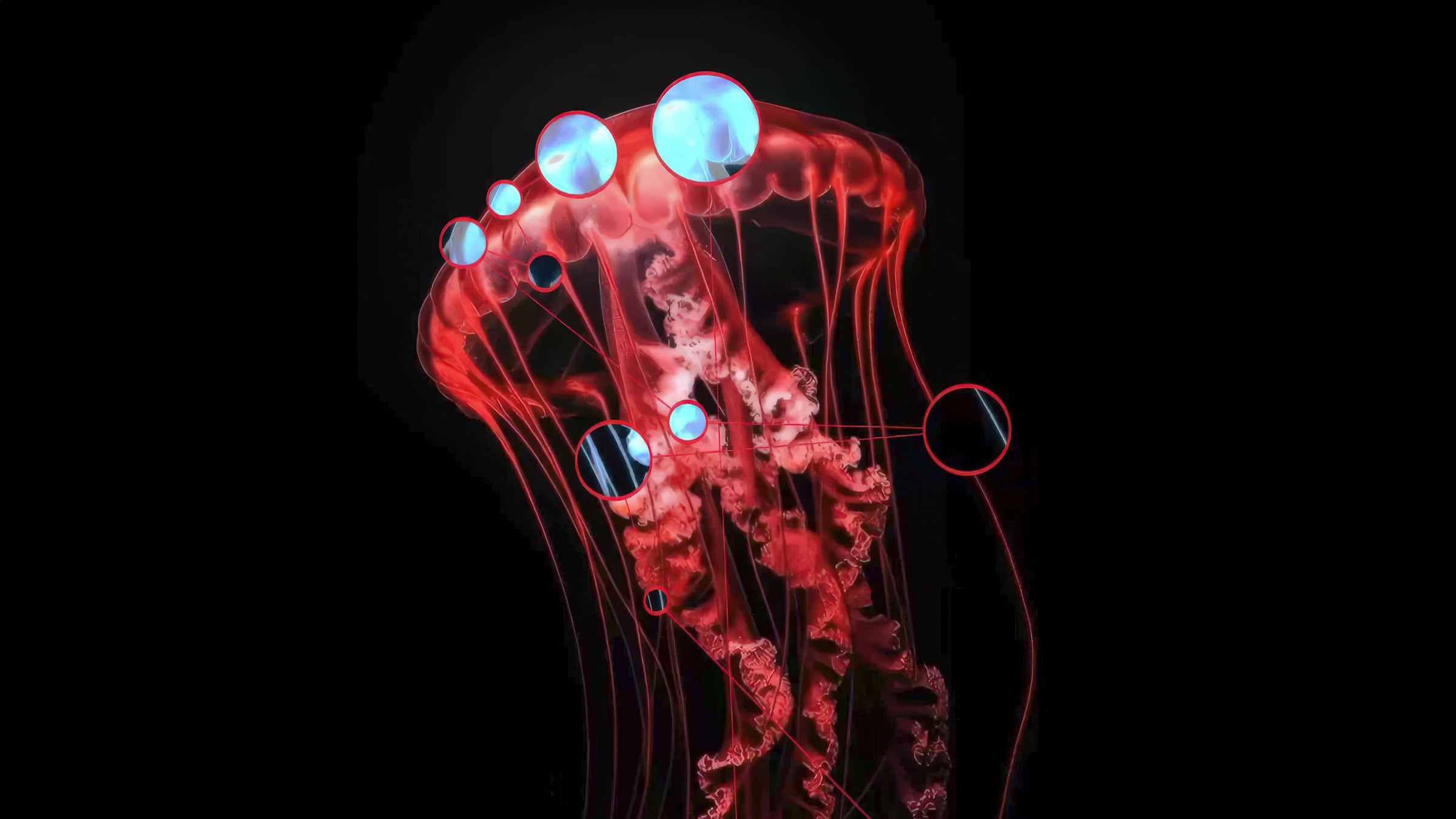
Most brands still treat their websites like emotionless train ticket kiosks. The internet has evolved. Welcome to a new era, one full of possibilities and excitement.
The web has two modes. One is UX-driven and focused on efficiency: find the thing, do the thing and leave. The other runs on a more emotional level and is built for connection — for interactive websites that respond, move, and draw people in. Most brands approach digital presence like the first type when it should be the second.
Connection stems from interaction and the unexpected. When a website responds to movement, the user feels a sense of agency. That sense transforms passive browsing into active discovery. Curiosity follows, anchoring someone in a brand’s world long enough to build a connection.
Surprise hooks the audience. But the most powerful form is genuine novelty: revealing something visitors have never seen. Something that fills a unique space in their mind. Once claimed, that space belongs to the brand.
This matters now more than ever. Content is abundant. Most fade into obscurity. The only way to be remembered is to be truly distinctive — not louder, not more polished, but different in a way that resonates before words form.
A digital experience can take many forms: a narrative-driven company site, an expressive campaign site, an interactive editorial with experimental UX, an immersive web design built around real-time 3D, or a gamified digital twin. Ultimately, the only limit is your computer’s performance.
When executed carefully, it not only communicates a brand — it conveys identity. It changes how a visitor perceives it. Instantly and enduringly.
Who needs a digital experience?
Anyone who wants to be remembered.
If you aim to sell a product, attract clients, recruit talent, or build a community around your beliefs, a digital experience cements that connection. Not through a service list or dense text, but through what the visitor feels.
Brands investing in this aren’t always the biggest. They recognise that attention is limited and that first impressions accumulate. The difference between a website someone closes and one they share is rarely information. It’s the moment. The thing they’ve never seen before.
If you want someone to leave your website and still think about it an hour later, that is what a digital experience achieves.